ระบบสื่อสารฉุกเฉินสำหรับ SOS, การสั่งการ และการแจ้งเตือนสาธารณะ

เชื่อมต่อจุดเรียกฉุกเฉิน ห้องควบคุม ทรัพยากรการสั่งการ ระบบแจ้งเตือนสาธารณะ และทีมภาคสนามผ่านขั้นตอนการสื่อสารที่ประสานกัน

ปรึกษาทันที

การสื่อสารในภาวะฉุกเฉินแทบไม่เคยพึ่งพาอุปกรณ์เพียงตัวเดียวหรือเครือข่ายเดียว เหตุการณ์อาจถูกรายงานครั้งแรกผ่านอินเตอร์คอม SOS โทรศัพท์ฉุกเฉิน จุดเรียกในลิฟต์ หรือปุ่มฉุกเฉิน จากนั้นห้องควบคุมต้องยืนยันสิ่งที่เกิดขึ้น สื่อสารกับผู้โทร มอบหมายทีมตอบสนองที่เหมาะสม และตัดสินใจว่าจำเป็นต้องประกาศเตือนในวงกว้างหรือไม่

โซลูชันการสื่อสารฉุกเฉินของ Becke Telcom ครอบคลุมส่วนต่าง ๆ ของกระบวนการนั้น จุดขอความช่วยเหลือสาธารณะ โทรศัพท์ฉุกเฉินอุตสาหกรรม แพลตฟอร์มแจ้งเตือนมวลชน และระบบบัญชาการภาคสนาม มีบทบาทต่างกัน และควรเลือกตามขั้นตอนการตอบสนองของสถานที่ มากกว่าจะมองว่าเป็นผลิตภัณฑ์ที่ใช้แทนกันได้

สถาปัตยกรรมระบบเชื่อมโยงการรายงานเหตุการณ์ การสื่อสารในห้องควบคุม การเตือนสาธารณะ และการตอบสนองภาคสนาม ผ่านอินเทอร์เฟซที่โครงการต้องการ แต่ละระบบย่อยคงบทบาทการทำงานของตนเองไว้ ขณะที่ข้อมูลเคลื่อนย้ายระหว่างกันระหว่างเกิดเหตุการณ์

ขั้นตอนการทำงานของการสื่อสารฉุกเฉิน

การโทรฉุกเฉิน

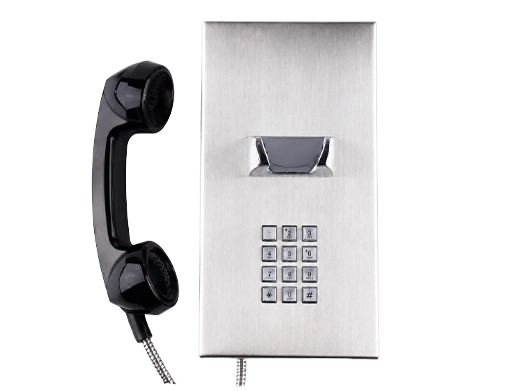
เหตุการณ์เข้าสู่ระบบสื่อสารผ่านจุดรายงานที่ทราบแน่ชัด ขึ้นอยู่กับสถานที่ อาจเป็นอินเตอร์คอม SOS ตู้โทรศัพท์ฉุกเฉิน โทรศัพท์อุตสาหกรรม จุดเรียกในลิฟต์ หรือจุดแจ้งเตือนอื่นที่รองรับ ข้อกำหนดแรกนั้นเรียบง่าย: สร้างเส้นทางที่ชัดเจนจากผู้รายงานเหตุการณ์ไปยังตำแหน่งตอบสนองที่กำหนดไว้
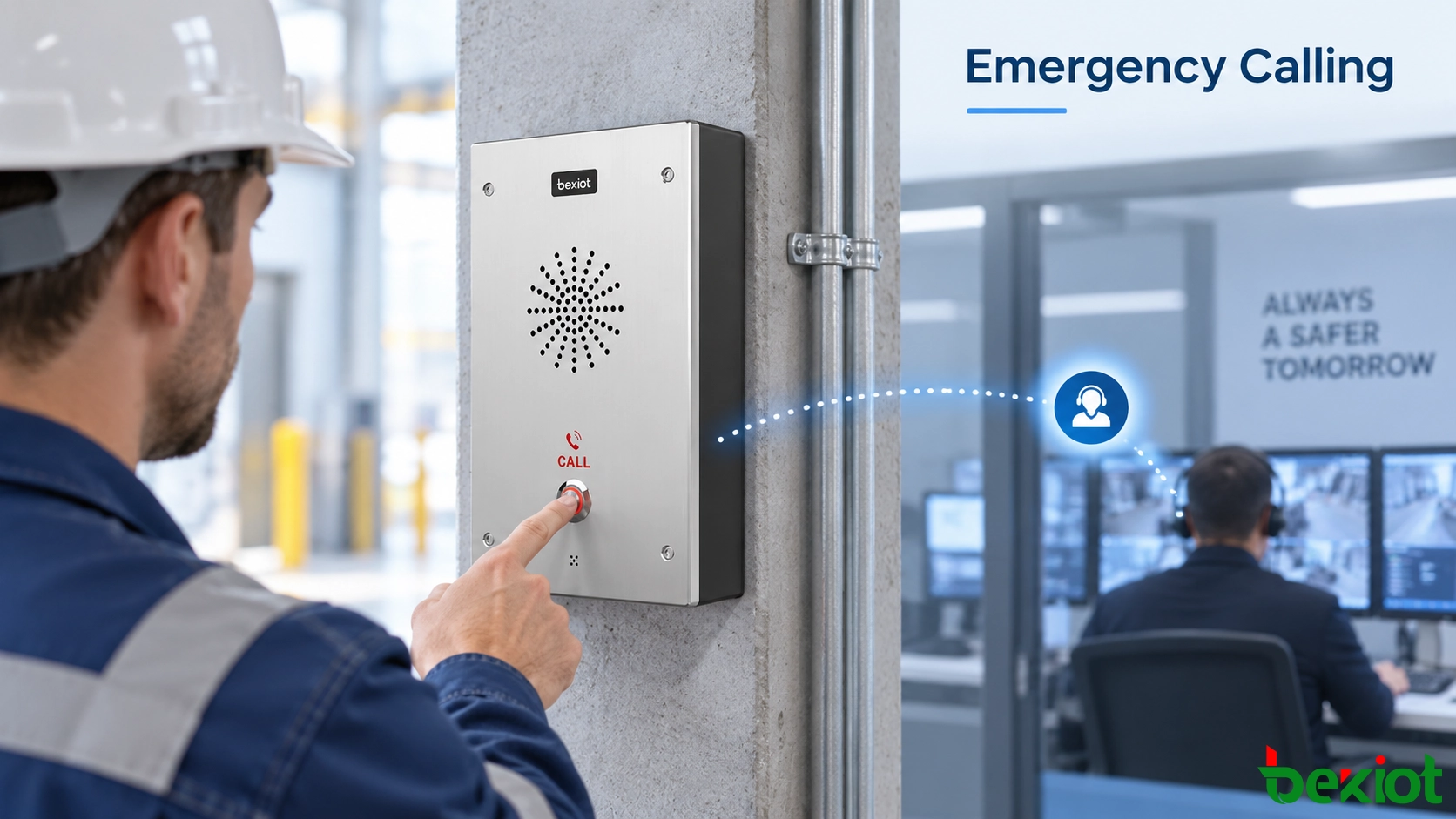
SOS intercom providing an emergency call point at a transport facility

การสื่อสารสองทาง

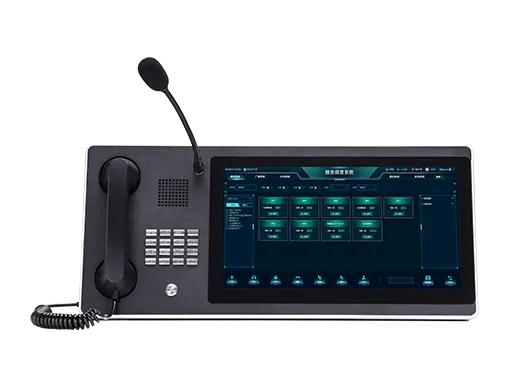
เมื่อสายถึงห้องควบคุม เจ้าหน้าที่ต้องมีเส้นทางเสียงตรงถึงผู้โทร การสนทนาจะระบุประเภทของเหตุการณ์ ตำแหน่งที่ได้รับผลกระทบ และจำเป็นต้องมีคำแนะนำทันทีหรือไม่ก่อนที่ทีมตอบสนองจะมาถึง
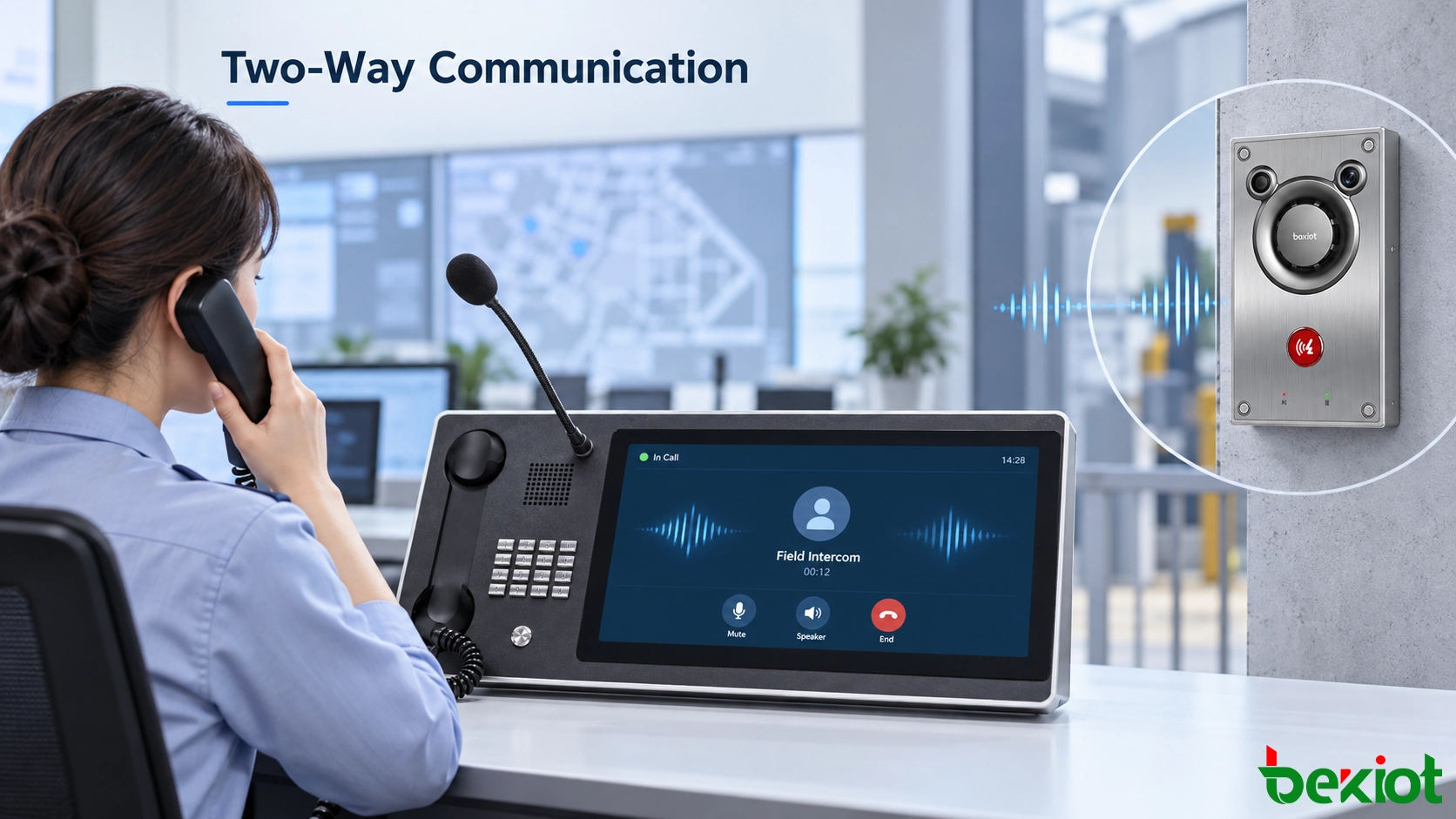
Control room operator handling a two-way emergency communication call

การยืนยันเหตุการณ์

ข้อมูลประจำตัวของปลายทาง ข้อมูลตำแหน่ง หรือวิดีโอใกล้เคียงสามารถให้บริบทเพิ่มเติมได้เมื่อมีการบูรณาการระบบเหล่านั้น กล้องวงจรปิดหรือ GIS ไม่ได้มาจากโทรศัพท์ฉุกเฉินโดยตรง แพลตฟอร์มการจัดการเป็นผู้จัดหาข้อมูลนั้นและเชื่อมโยงเข้ากับเหตุการณ์ที่กำลังดำเนินอยู่
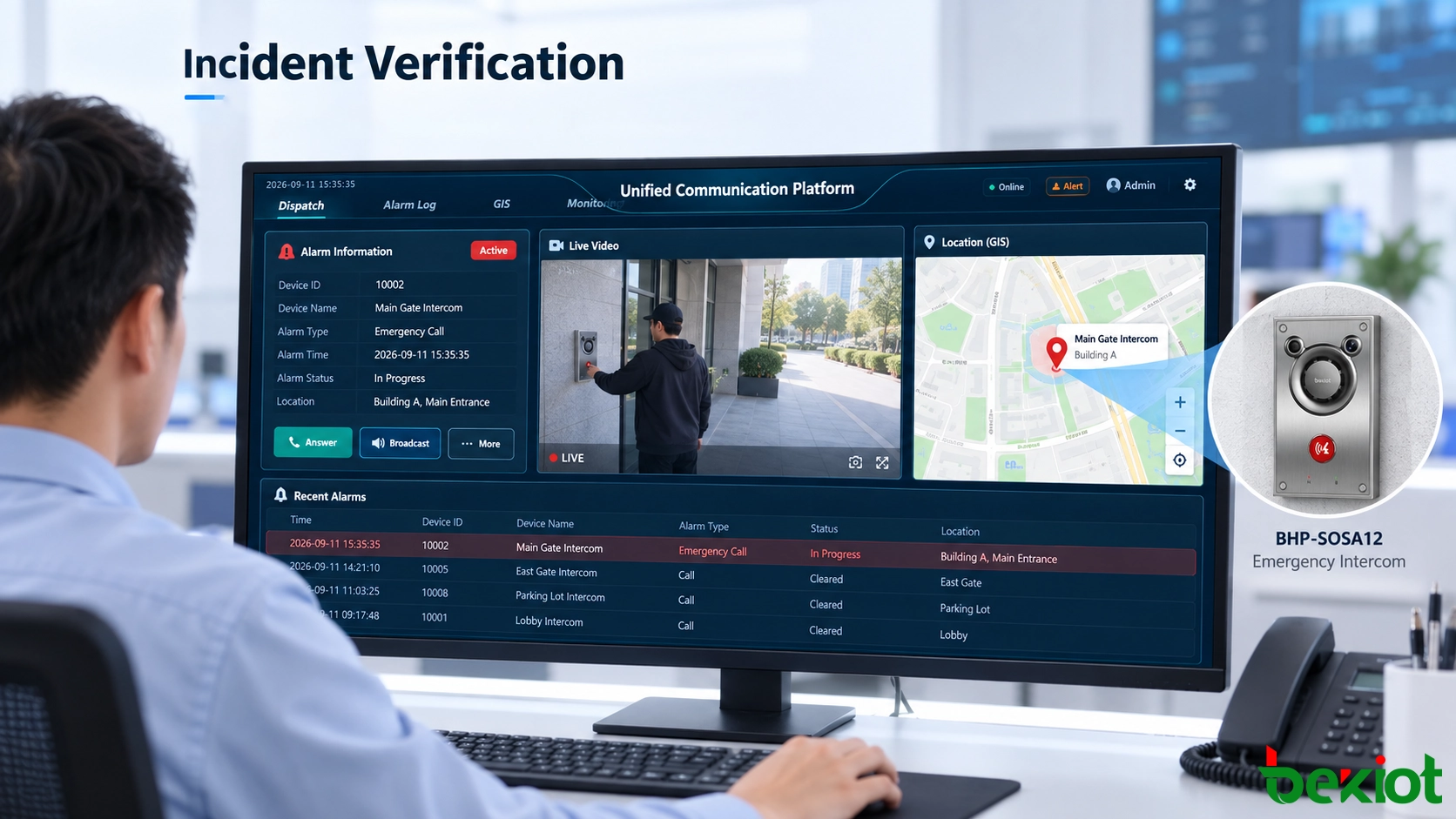
Emergency communication platform showing an SOS call with linked video and incident information

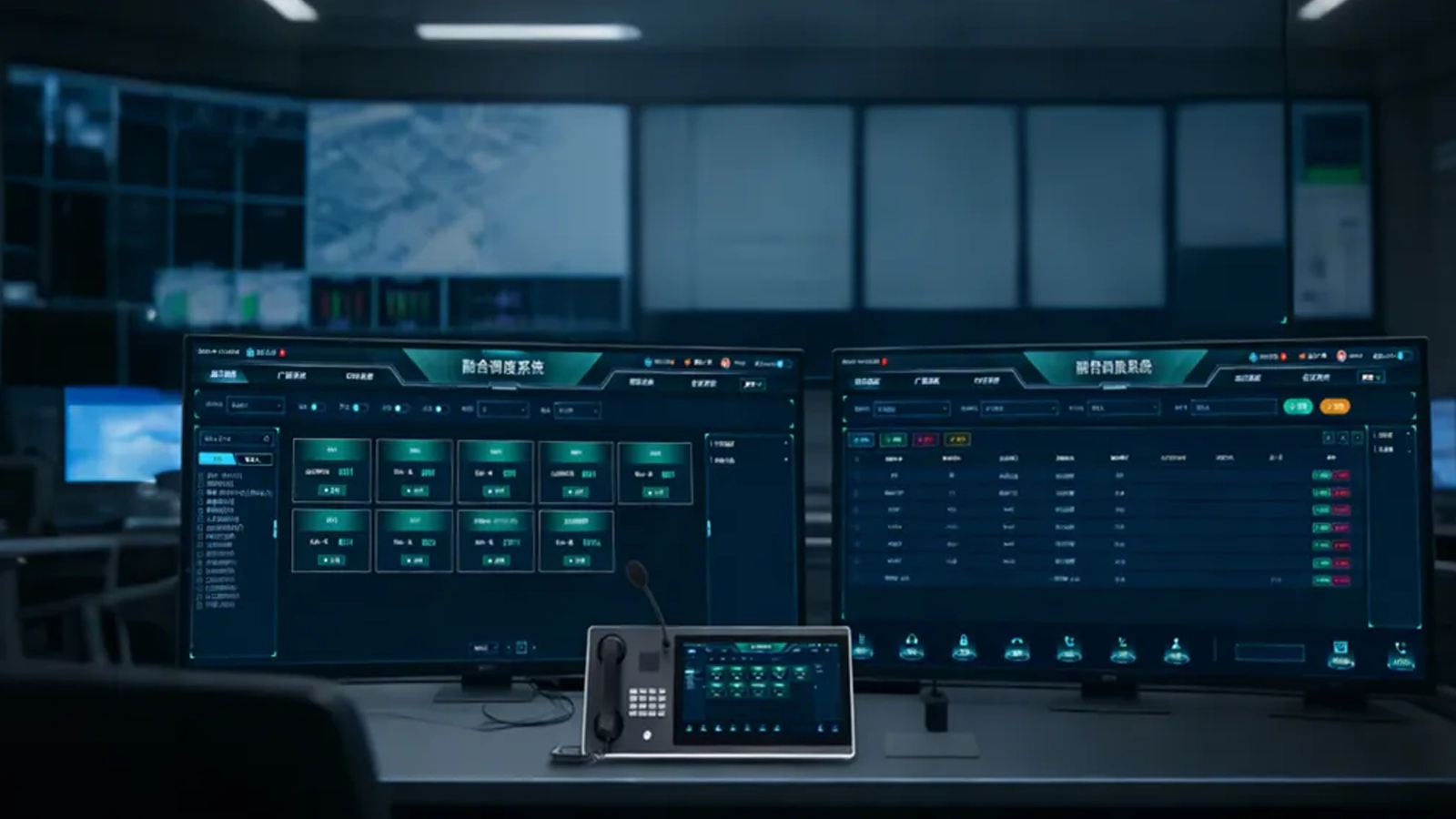
การสั่งการและการจัดส่ง

หลังจากการตรวจสอบแล้ว ผู้ปฏิบัติงานจะกำหนดการดำเนินการถัดไป เจ้าหน้าที่รักษาความปลอดภัย ฝ่ายบำรุงรักษา ฝ่ายการแพทย์ ฝ่ายดับเพลิง หรือเจ้าหน้าที่ตอบสนองอื่น ๆ จะได้รับการติดต่อผ่านทรัพยากรการจัดส่งที่มีอยู่ในพื้นที่ จุดช่วยเหลือเดิมยังคงเป็นจุดสิ้นสุดการรายงาน ในขณะที่การสั่งการและการประสานงานทรัพยากรย้ายไปยังฝ่ายควบคุม
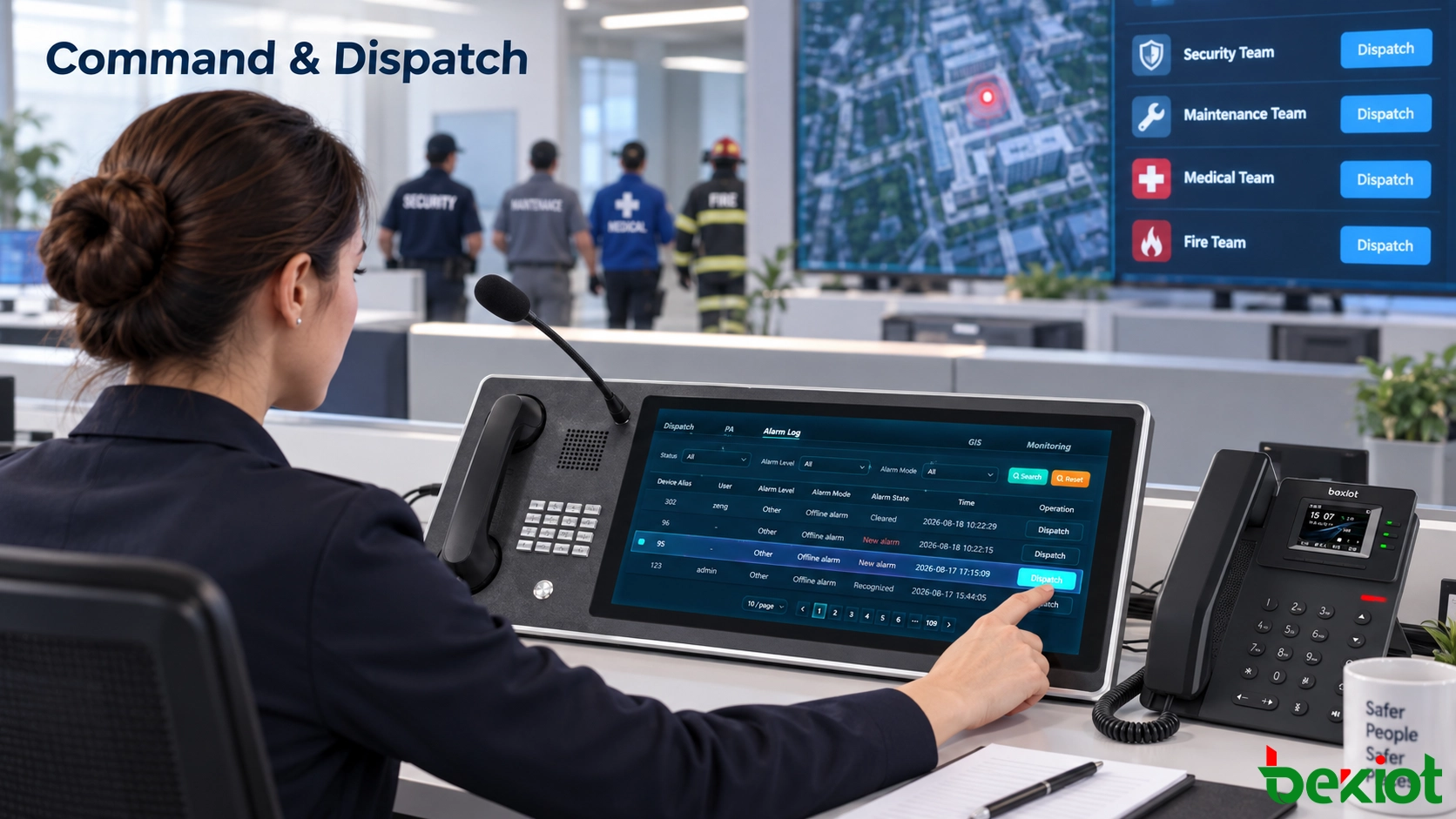
Emergency dispatch position coordinating response resources from a control room

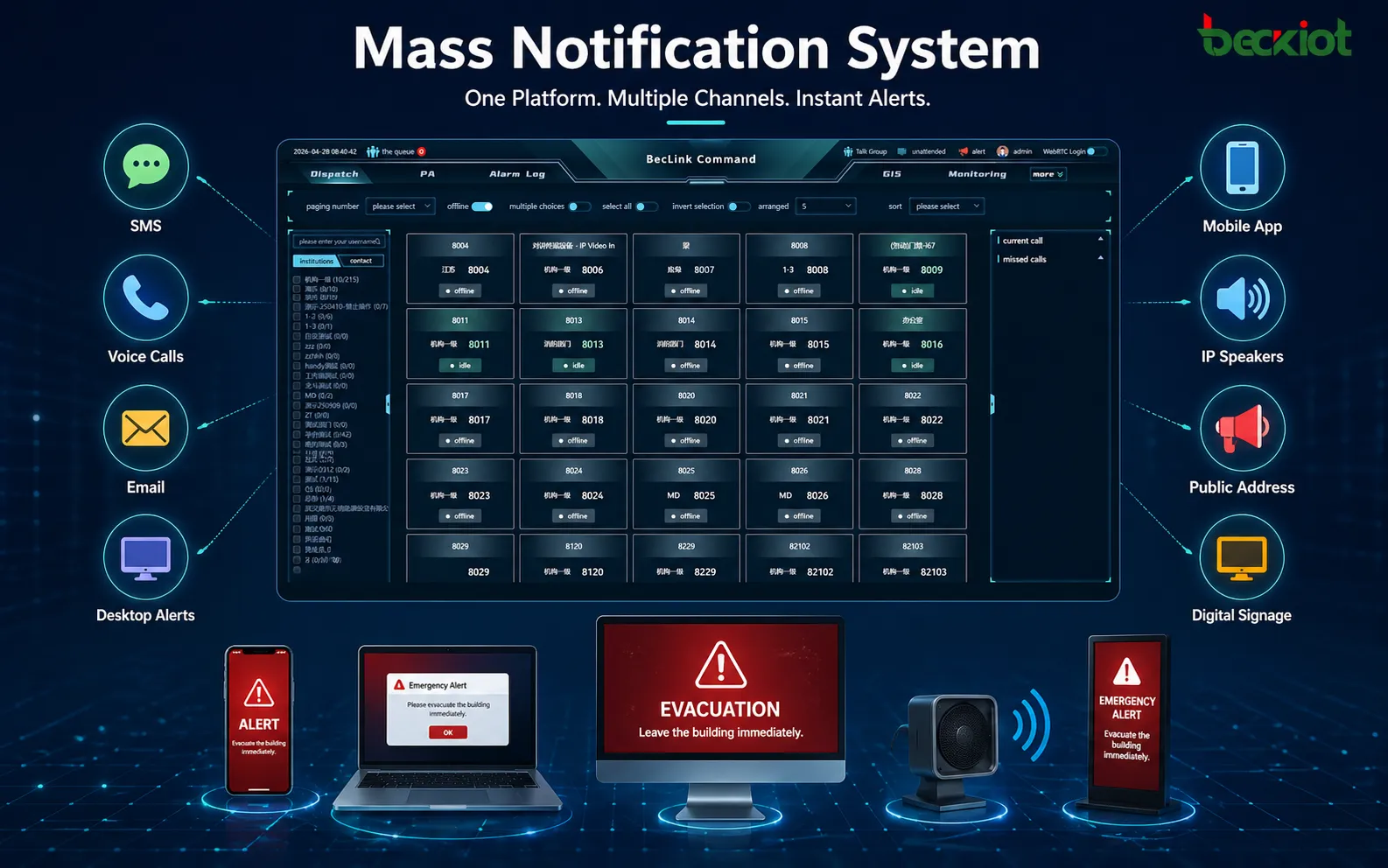
การเตือนภัยสาธารณะ

เมื่อเหตุการณ์ส่งผลกระทบต่อพื้นที่กว้างขึ้น ชั้นการเตือนภัยจะกระจายคำแนะนำผ่าน
ระบบ PA
, ระบบ PAGA
หรือแพลตฟอร์มการแจ้งเตือนมวลชนที่เลือกสำหรับพื้นที่ แพลตฟอร์มที่เกี่ยวข้องจะจัดการโซน ลำดับความสำคัญ และวิธีการแจ้งเตือน
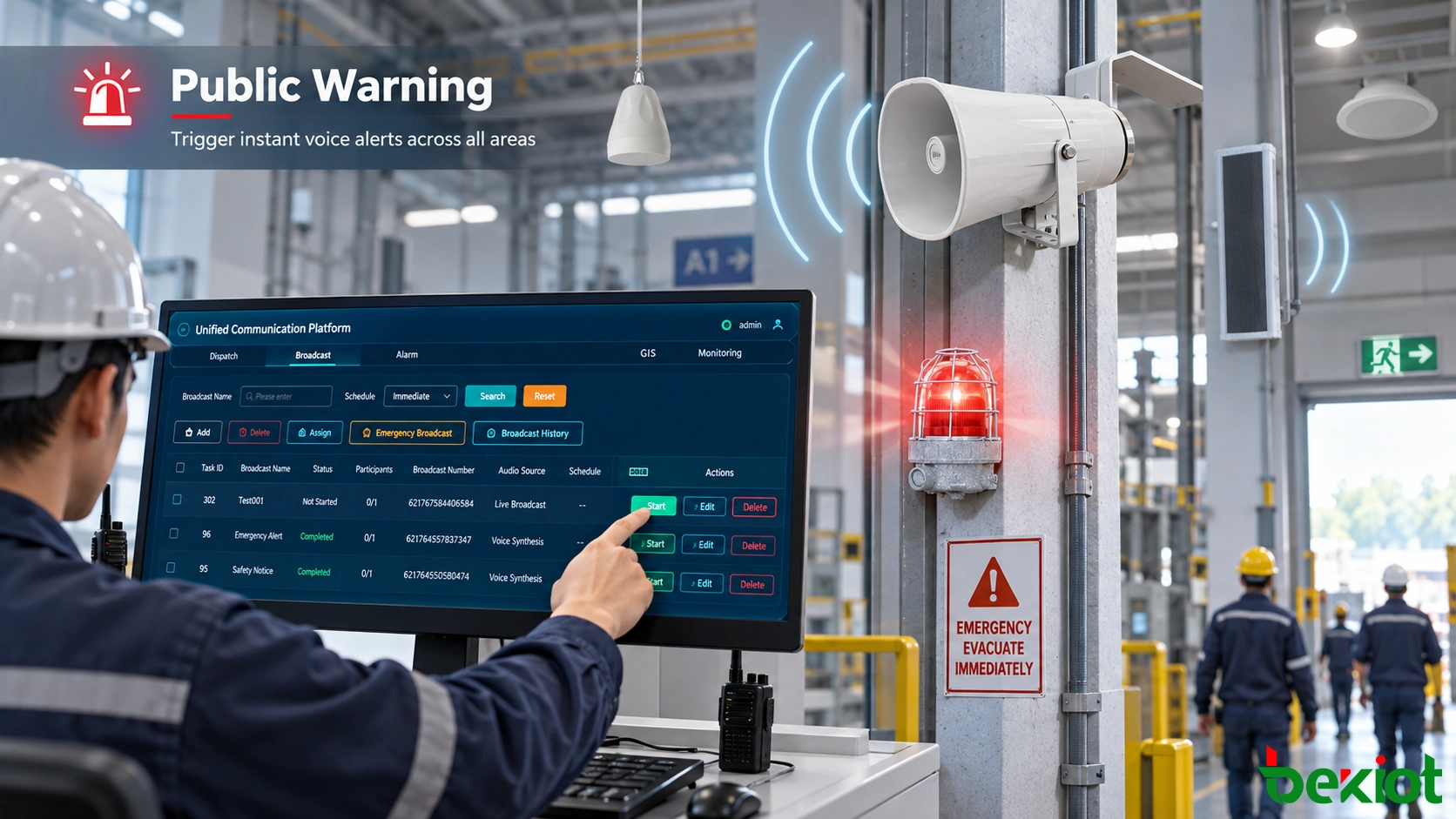
Emergency event triggering a public address warning from a control center

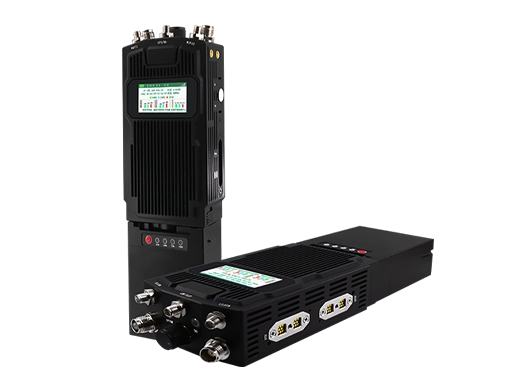
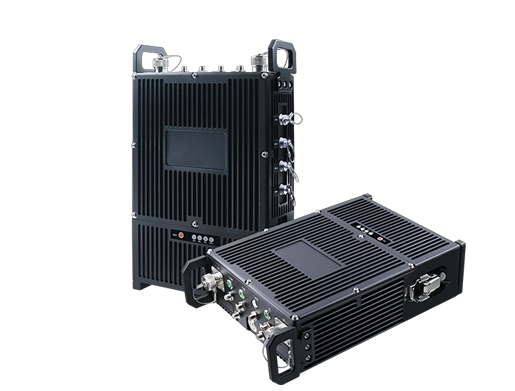
การประสานงานภาคสนาม

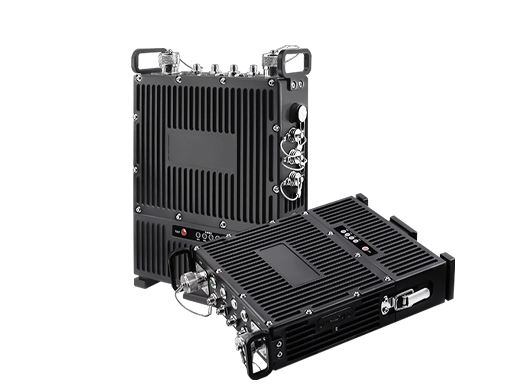
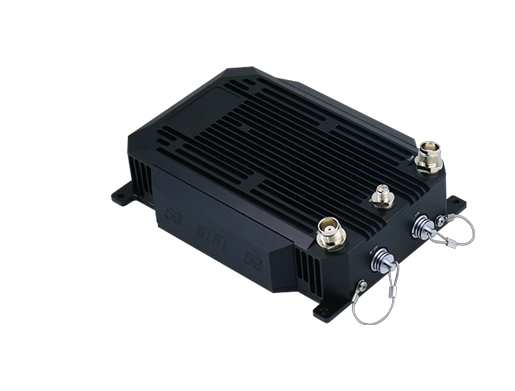
ผู้ตอบสนองอาจใช้วิทยุ เทอร์มินัลเคลื่อนที่ โทรศัพท์ SIP หรือทรัพยากรการสื่อสารภาคสนามอื่น ๆ หลังจากออกจากห้องควบคุม เกตเวย์และอินเทอร์เฟซการบูรณาการช่วยให้ทีมเหล่านั้นเชื่อมต่อกับกระบวนการสั่งการในจุดที่ได้ออกแบบการทำงานร่วมกันไว้ในโครงการ
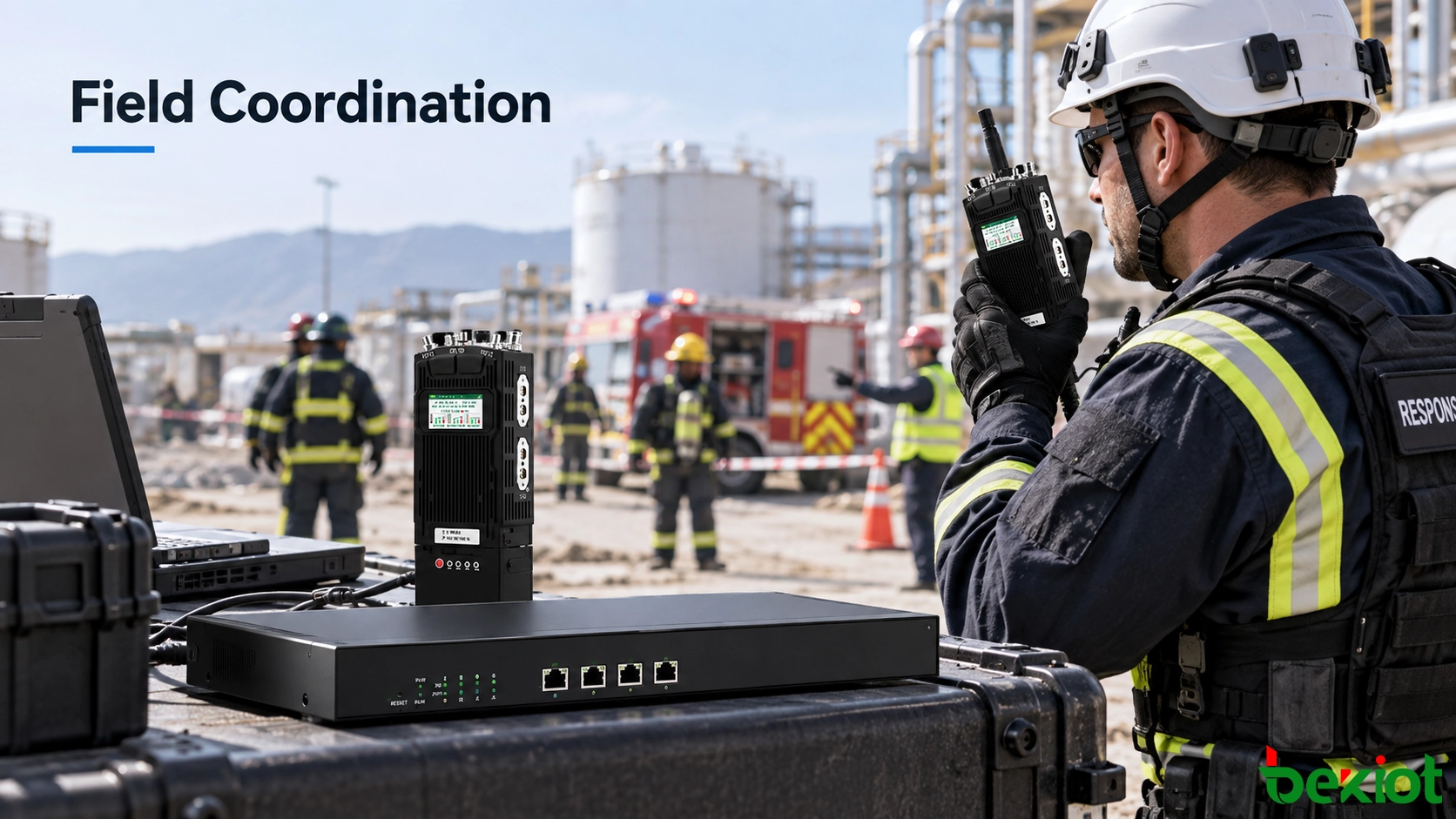
Emergency communication environment integrating telephony, video, radio, broadcast and dispatch resources

กลุ่มโซลูชัน

สถานการณ์การใช้งาน

บริการลูกค้า โทรศัพท์
We use cookie to improve your online experience. By continuing to browse this website, you agree to our use of cookie.

Cookies

This Cookie Policy explains how we use cookies and similar technologies when you access or use our website and related services. Please read this Policy together with our Terms and Conditions and Privacy Policy so that you understand how we collect, use, and protect information.

By continuing to access or use our Services, you acknowledge that cookies and similar technologies may be used as described in this Policy, subject to applicable law and your available choices.

Updates to This Cookie Policy

We may revise this Cookie Policy from time to time to reflect changes in legal requirements, technology, or our business practices. When we make updates, the revised version will be posted on this page and will become effective from the date of publication unless otherwise required by law.

Where required, we will provide additional notice or request your consent before applying material changes that affect your rights or choices.

What Are Cookies?

Cookies are small text files placed on your device when you visit a website or interact with certain online content. They help websites recognize your browser or device, remember your preferences, support essential functionality, and improve the overall user experience.

In this Cookie Policy, the term “cookies” also includes similar technologies such as pixels, tags, web beacons, and other tracking tools that perform comparable functions.

Why We Use Cookies

We use cookies to help our website function properly, remember user preferences, enhance website performance, understand how visitors interact with our pages, and support security, analytics, and marketing activities where permitted by law.

We use cookies to keep our website functional, secure, efficient, and more relevant to your browsing experience.

Categories of Cookies We Use

Strictly Necessary Cookies

These cookies are essential for the operation of the website and cannot be disabled in our systems where they are required to provide the service you request. They are typically set in response to actions such as setting privacy preferences, signing in, or submitting forms.

Without these cookies, certain parts of the website may not function correctly.

Functional Cookies

Functional cookies enable enhanced features and personalization, such as remembering your preferences, language settings, or previously selected options. These cookies may be set by us or by third-party providers whose services are integrated into our website.

If you disable these cookies, some services or features may not work as intended.

Performance and Analytics Cookies

These cookies help us understand how visitors use our website by collecting information such as traffic sources, page visits, navigation behavior, and general interaction patterns. In many cases, this information is aggregated and does not directly identify individual users.

We use this information to improve website performance, usability, and content relevance.

Targeting and Advertising Cookies

These cookies may be placed by our advertising or marketing partners to help deliver more relevant ads and measure the effectiveness of campaigns. They may use information about your browsing activity across different websites and services to build a profile of your interests.

These cookies generally do not store directly identifying personal information, but they may identify your browser or device.

First-Party and Third-Party Cookies

Some cookies are set directly by our website and are referred to as first-party cookies. Other cookies are set by third-party services, such as analytics providers, embedded content providers, or advertising partners, and are referred to as third-party cookies.

Third-party providers may use their own cookies in accordance with their own privacy and cookie policies.

Information Collected Through Cookies

Depending on the type of cookie used, the information collected may include browser type, device type, IP address, referring website, pages viewed, time spent on pages, clickstream behavior, and general usage patterns.

This information helps us maintain the website, improve performance, enhance security, and provide a better user experience.

Your Cookie Choices

You can control or disable cookies through your browser settings and, where available, through our cookie consent or preference management tools. Depending on your location, you may also have the right to accept or reject certain categories of cookies, especially those used for analytics, personalization, or advertising purposes.

Please note that blocking or deleting certain cookies may affect the availability, functionality, or performance of some parts of the website.

Restricting cookies may limit certain features and reduce the quality of your experience on the website.

Cookies in Mobile Applications

Where our mobile applications use cookie-like technologies, they are generally limited to those required for core functionality, security, and service delivery. Disabling these essential technologies may affect the normal operation of the application.

We do not use essential mobile application cookies to store unnecessary personal information.

How to Manage Cookies

Most web browsers allow you to manage cookies through browser settings. You can usually choose to block, delete, or receive alerts before cookies are stored. Because browser controls vary, please refer to your browser provider’s support documentation for details on how to manage cookie settings.

Contact Us

If you have any questions about this Cookie Policy or our use of cookies and similar technologies, please contact us at support@becke.cc .